
Introduction
Insider trading disclosures often provide one of the clearest signals into how executives view their own companies. Over the past few days, several high-profile SEC Form 4 filings revealed significant insider activity across technology, aerospace, and industrial stocks.
The most notable move came from Snowflake Inc. (SNOW), where a senior insider sold tens of millions of dollars worth of shares in a single week. Alongside this transaction, multiple directors and executives across other companies also reported stock sales, continuing a broader trend of year-end insider positioning.
This article breaks down the most recent insider transactions, explains why they matter, and shows what investors should watch next.
Recent Insider Trades: Key Overview
Recent filings highlight a wave of insider selling across several sectors:
-
Large technology insider sales led by Snowflake
-
Smaller but consistent sales from directors and CFOs
-
Transactions disclosed through SEC Form 4 filings within the last few days
-
Most trades executed at or near recent highs
While insider selling does not automatically signal bearish sentiment, the scale and clustering of these transactions makes them worth monitoring.
Snowflake Insider Sale Draws Attention
Snowflake Inc. (NYSE: SNOW)
The largest insider transaction this week came from Snowflake:
-
Insider: Frank Slootman (Director, 10% owner)
-
Date: December 18
-
Shares Sold: 200,000
-
Estimated Value: ~$44.3 million
-
Price Range: ~$217 to ~$223
The sale was executed under a Rule 10b5-1 trading plan, meaning it was pre-scheduled. Still, the sheer size of the transaction immediately caught market attention.
Large insider sales like this often reflect:
-
Profit-taking after strong performance
-
Portfolio diversification
-
Personal liquidity planning
They do not automatically mean bearish outlook, but they frequently lead investors to watch price action more closely in the following weeks.

Other Notable Insider Transactions This Week
Several additional insider sales were disclosed alongside the Snowflake filing:
Synopsys (SNPS)
-
Role: CFO
-
Shares Sold: 1,044
-
Value: ~$481,000
Rocket Lab (RKLB)
-
Role: Director
-
Shares Sold: 5,000
Westlake Corp (WLK)
-
Role: Executive Chairman
-
Shares Sold: 30,604
-
Value: ~$2.25 million
Live Ventures (LIVE)
-
Role: Director
-
Shares Sold: 1,114
Individually, these transactions are modest. Taken together, they reinforce a pattern of insiders reducing exposure into year-end strength.
Why Insider Selling Is Increasing Now
There are several reasons insider sales often cluster in December:
1. Year-End Portfolio Rebalancing
Executives frequently adjust holdings before the new tax year.
2. Strong 2025 Stock Performance
Many stocks are trading near multi-month or yearly highs, creating natural profit-taking opportunities.
3. Scheduled 10b5-1 Plans
A large portion of insider trades are automated and triggered regardless of short-term market sentiment.
The key insight is not a single trade, but patterns over time, especially repeated selling from the same company or sector.
How Investors Should Use Insider Data
Insider data is most powerful when used correctly:
-
One sale: Usually noise
-
Multiple insiders selling: Worth monitoring
-
Selling after long rallies: Context matters
-
Insider buying: Often more meaningful than selling
Rather than reacting emotionally, investors should track:
-
Frequency of insider activity
-
Size relative to total ownership
-
Whether insiders are buying or only selling
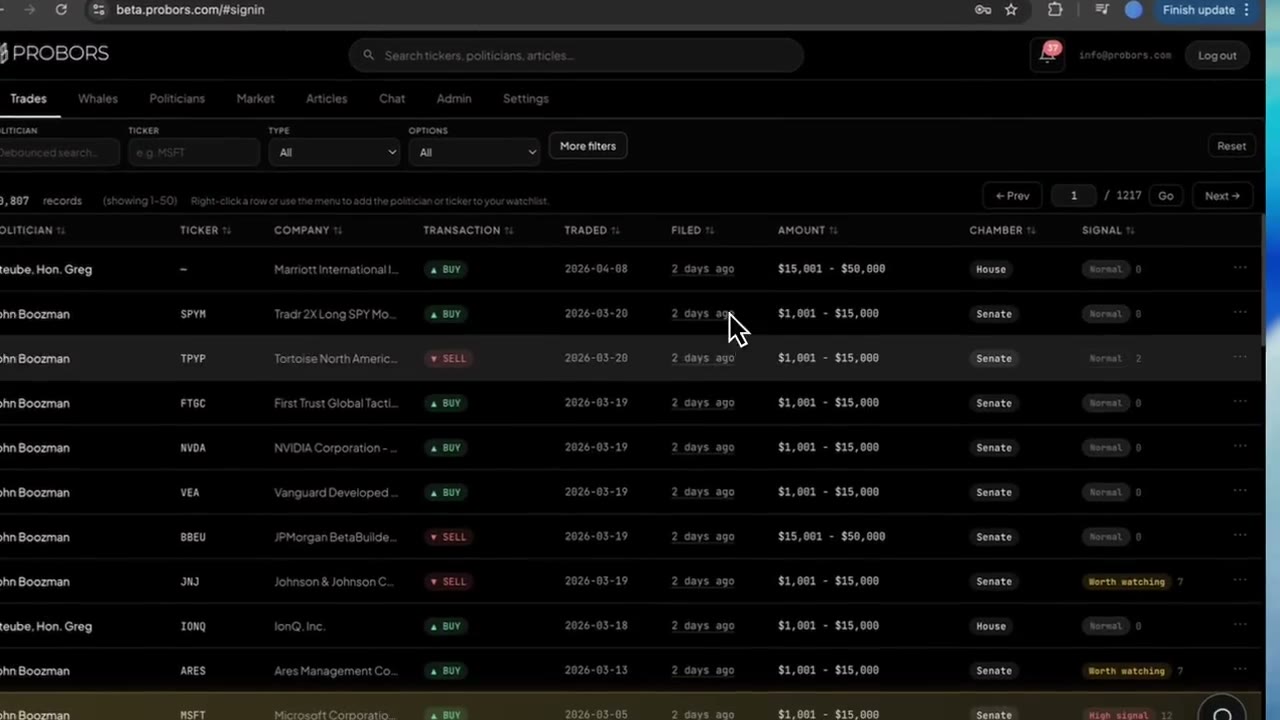
Platforms like ProBors help surface these patterns quickly, without waiting weeks for headlines.
What to Watch Next
Going forward, investors should keep an eye on:
-
Follow-up trades from Snowflake insiders
-
Insider buying activity in early January
-
Sector-level insider trends in tech and aerospace
-
Whether stocks pull back or consolidate after disclosures
Insider activity alone should never drive investment decisions, but it can provide valuable context when combined with price action and fundamentals.
Conclusion
This week’s insider trading disclosures highlight how executives are positioning as the year closes. The $44 million Snowflake insider sale stands out for its size, while smaller transactions across other companies reinforce a broader trend of selective selling.
For investors, the real value lies in tracking these moves consistently. Understanding who is selling, how much, and how often can offer an edge that most retail traders miss.
You can track these insider trades and more in real time on ProBors.
Sources & methodology
Last updated:
ProBors uses public disclosure records, SEC filings, House and Senate financial disclosure portals, market data, and in-product workflow checks. Articles are written as research education, not investment advice.